


A bookmark can keep the right URL and still lose everything that made the page useful. Here is how to preserve the context that matters.
What a bookmark keeps
An address is a route to a page. It does not preserve the page's wording, the version you read or your reason for keeping it. Treat a reference for a presentation differently from a recipe you can easily replace. The first needs a traceable record; the second may only need a useful label.
How fragile is a saved address?
- Pages sampled in 2013
- 38%
- Pages sampled in 2023
- 8%
Common Crawl samples. The year is the page's sample year, not a forecast for your bookmarks. Published May 2024. Pew Research Center: study and methodology
View the data
| Pages sampled in 2013 | 38% |
|---|---|
| Pages sampled in 2023 | 8% |
The study measures pages that could no longer be reached. It does not measure whether a page's wording changed. Use the data as a reason to preserve critical context, not as an estimate of your own library's loss rate.
What to record beside the link
Address
Keep the original URL or persistent identifier.
Source
Record the author, title, publication date and the date you read it.
Passage
Identify the paragraph, page number or section you actually used.
Purpose
Write the question this reference helps you answer.
This record is an editorial recommendation. A saved excerpt is not a backup of the entire source.
Choose what needs a copy
A replaceable reference
A useful tool or introductory explanation you can find elsewhere.
- Keep a descriptive title and your use case.
- Revisit the original before depending on it.
Evidence for a decision
A report, specification or document that supports work you must explain later.
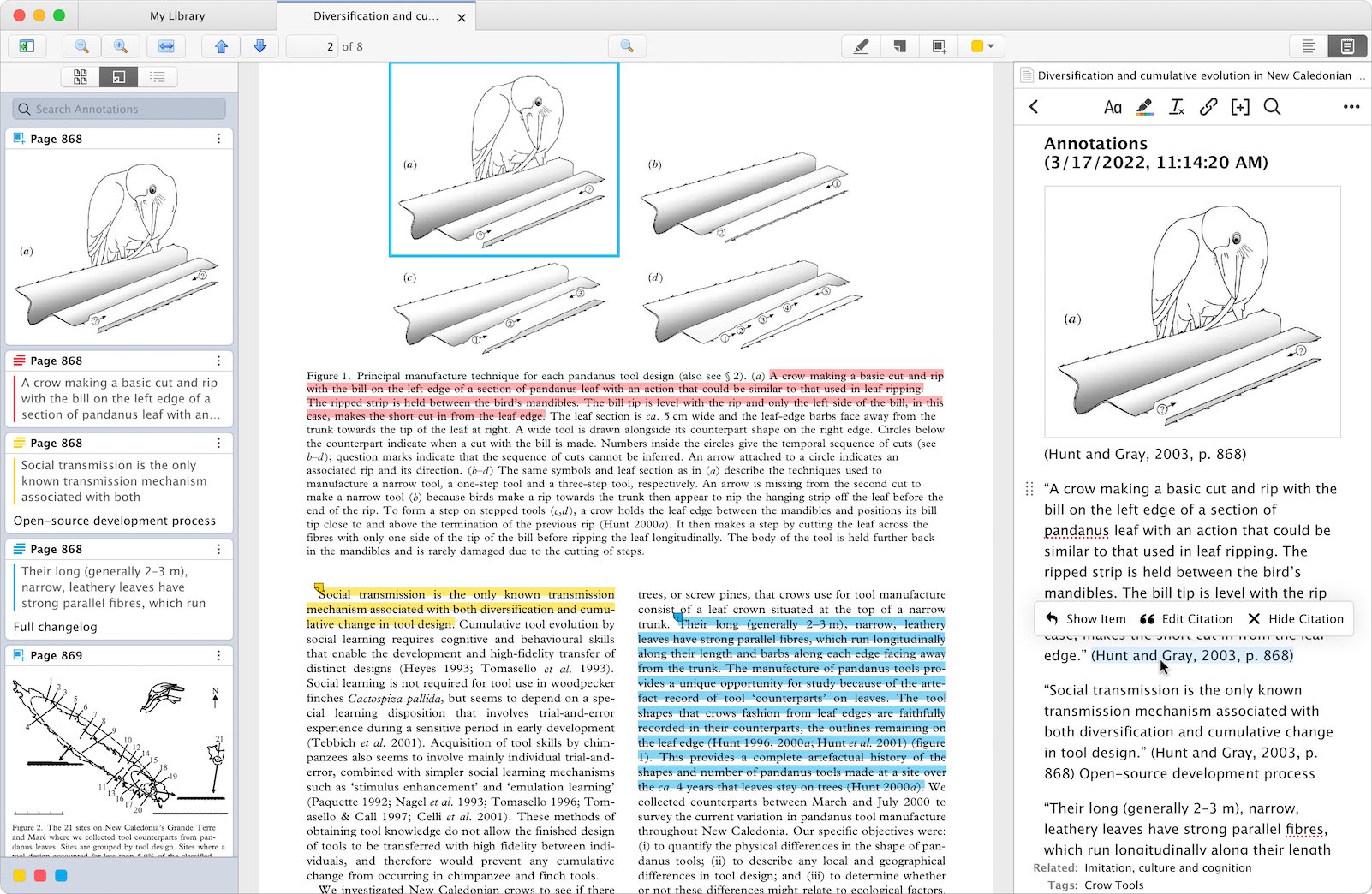
- Retain the exact version when you are allowed to.
- Keep an independent copy and test that it opens.
- Record what changed if you replace the source.
Use this preservation note
Reference record
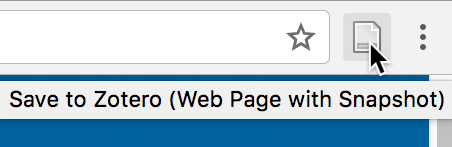
Fill this in for one important reference, then open it from another device.
Title:
Original URL or identifier:
Author or institution:
Published / version:
Read on:
Relevant page or passage:
Why I saved it:
Copy location, if needed:
Next review trigger:
Test the record before relying on it
Sources and scope
- When Online Content DisappearsPew Research Center · 2024-05-17 · 2026-09-30
Measures page availability in October 2023 using Common Crawl samples.
- Personal Digital ArchivingLibrary of Congress · Resource collection; includes a 2013 publication · 2026-09-30
Provides guidance on file formats, descriptions and personal digital collections.