





Add one sentence about why the page mattered and capture the source details needed to judge it later.
Note why you need this passage
You save a long interview because one answer explains why customers abandon a setup process. Three weeks later, the title tells you nothing about that answer. Your saved note needs the location of the passage and the decision you were exploring. A full summary may hide the one detail you need.
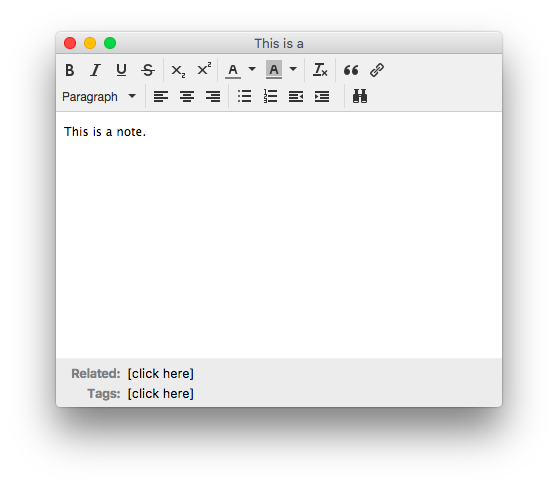
Before and after
Before
Interesting interview about onboarding.
- No relevant passage.
- No question or next action.
After
Minute 12:40: the participant could not tell whether setup was complete. Revisit this when drafting our completion message.
- The original remains identifiable.
- The interpretation has a named use.
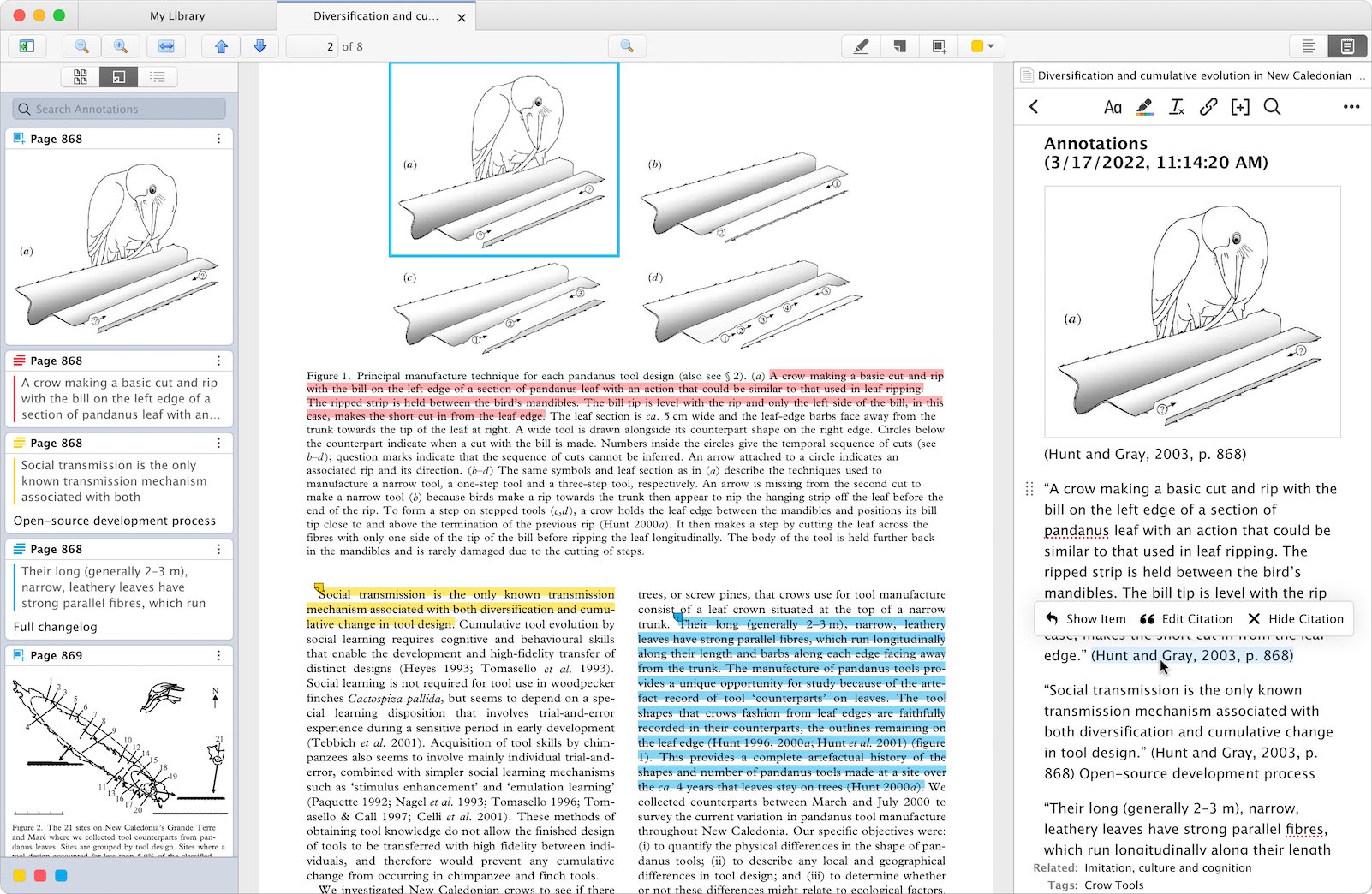
Keep three layers separate

Source
Record the passage location, title, author and date.
Interpretation
Explain what you think the passage means. Mark uncertainty.
Use
Name the decision, task or question it may help with.
You can revise your interpretation without changing what the source said.
Why the distinction matters
The W3C Web Annotation Data Model separates an annotation from the resource it targets. In your notes, mark which words belong to the source and which are your comment. Record the page, paragraph or minute where the passage appears.
Copy a context note
Context note
Use your own words for the interpretation. Keep quotations short and clearly marked.
Source / URL:
Author and date:
Page, section or timestamp:
Relevant observation:
My interpretation:
Question this helps answer:
Next action:
What I still need to check:
Test it tomorrow
Sources and scope
- Keeping Found Things Found on the WebMicrosoft Research · 2001-11 · 2026-09-30
An observational study of how people retain web information, reminders and context.
- Web Annotation Data ModelW3C · 2017-02-23 · 2026-09-30
Defines the relationship between an annotation body and its target.