




Before closing a tab, save the page with the next action or the unresolved question that kept it open.
Separate references from unfinished work
Some tabs hold evidence. Others hold your place in a task: a form you have not submitted, a comparison you have not finished, a query you want to change. Saving every URL as a bookmark preserves addresses but may erase this working state. Before closing, separate references from unfinished actions.
Before you close the tabs
Name the task
Write the decision or deliverable you were working on. 'Research' is too broad.
Save the useful references
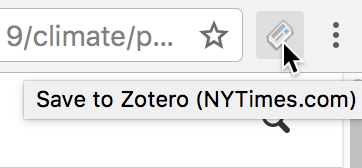
Keep the source and one sentence explaining its relevance. Discard duplicate tabs and pages that did not help.
Record unfinished work
For an unsent form or temporary tool state, note what remains to do. Save a draft in that tool when available.
Choose the first action on return
Write something executable: compare the warranty terms, read page 8, or contact the owner.
Leave a note to resume the task
Session handoff
Example: compare two suppliers. Replace the sample details with your own.
Task: choose a supplier for the September order.
Decided: supplier A has the required stock.
Open question: does supplier B include delivery?
Useful references: quote A, quote B, delivery terms.
Stopped at: checking delivery terms.
Next action: ask B for a written delivery total.
Due: before sending the order.
What the research supports
Keeping Found Things Found on the Web describes the value of reminders and relevance context in saved information. Our shutdown routine applies that idea; it is not a tested time-saving guarantee.
Check that you can resume the task
Sources and scope
- Keeping Found Things Found on the WebMicrosoft Research · 2001-11 · 2026-09-30
An observational study of how people retain web information, reminders and context.